The global gas turbine industry is entering a new phase of expansion. Fueled by surging energy demand, large-scale fleet modernization programs, and an accelerating shift toward cleaner power generation, the market for gas turbine components is growing at a pace not seen in years. At the center of this momentum sits one of the turbine's most technically demanding parts: the compressor blade.
A Market on the Rise
The global gas turbine component market has grown steadily over recent years and is projected to nearly double in value over the next decade, with the compressor segment alone representing a multi-billion-dollar slice of that opportunity. This growth is being driven by a confluence of forces — rising electricity consumption linked to data center proliferation and industrial electrification, government investment in cleaner energy infrastructure, and the ongoing need to retrofit and modernize aging turbine fleets across utility and industrial sectors worldwide.
For compressor blade manufacturers, this environment presents both significant opportunity and rising technical expectations. As turbines are pushed toward higher efficiency and longer service intervals, the standards applied to every individual component have grown correspondingly more demanding.
The Critical Role of the Compressor Blade
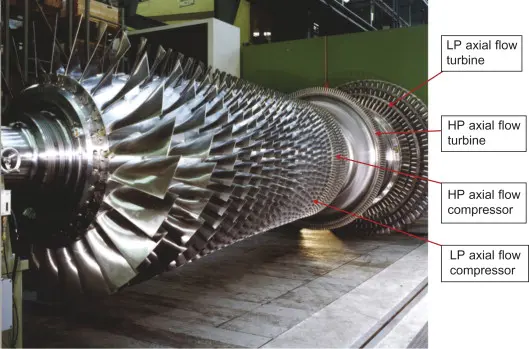
Within any gas turbine system, the compressor section is responsible for drawing in ambient air and compressing it to the high pressures required for efficient combustion. The blades that perform this work operate under extreme and unrelenting mechanical conditions — high rotational speeds, significant aerodynamic loading, and constant exposure to environmental contaminants. They must maintain precise aerodynamic geometry over thousands of operating hours while resisting fatigue, corrosion, and wear.
Even minor deviations in blade profile can carry serious consequences. A small geometric error translates directly into reduced compression efficiency, higher fuel consumption, and accelerated degradation across the compressor stage. In fleet operations where turbines run continuously in support of power grids or industrial processes, such inefficiencies compound quickly into substantial financial losses.
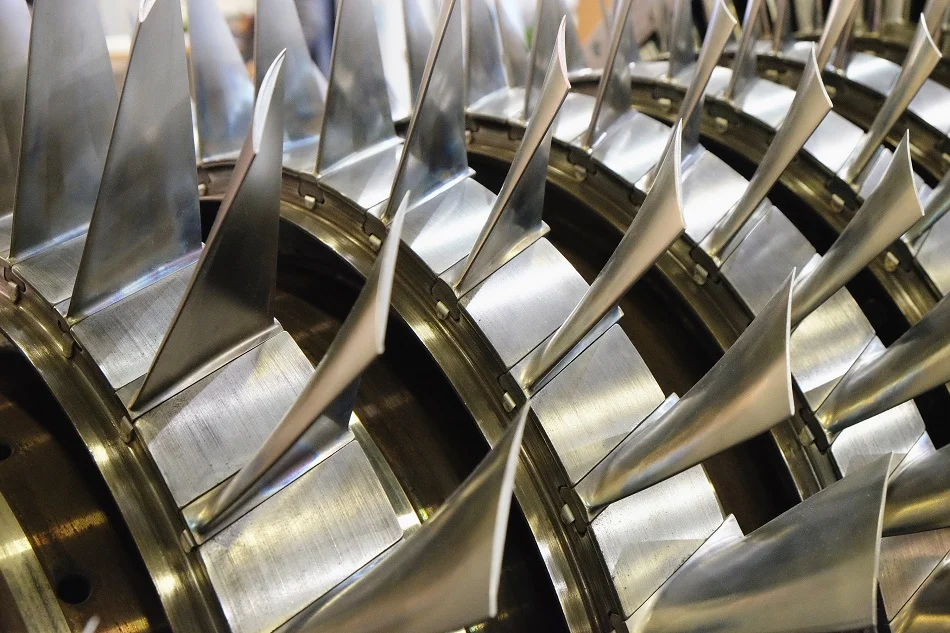
Failure Modes and the Cost of CompromiseRecent engineering research has shed further light on how compressor blades degrade in service. Corrosion-induced fatigue has emerged as a particularly insidious failure pathway, with microscopic pitting on blade surfaces acting as initiation sites for cracks that propagate under cyclic mechanical stress. In heavy-duty power generation turbines, such failures have been found to originate in mid-stage compressor blades and extend progressively to adjacent vanes — resulting in significant structural damage and costly unplanned outages.
These findings underscore a fundamental truth that operators and procurement teams are increasingly recognizing: the upfront quality of a compressor blade is not merely a specification matter. It is a direct determinant of fleet reliability, maintenance frequency, and total lifecycle cost. Blades that compromise on material integrity or dimensional precision may appear cost-effective at the point of purchase but carry disproportionate risk downstream.
Manufacturing Trends Reshaping the Industry
In response to these demands, the blade manufacturing sector is undergoing meaningful technological evolution. Advanced airfoil designs, high-temperature-resistant superalloys, and refined precision forging techniques are becoming standard expectations rather than premium differentiators. The industry is moving decisively away from the tolerances and cycle times that characterized traditional manufacturing approaches, toward near-net-shape processes that reduce material waste, shorten lead times, and deliver tighter dimensional consistency.
Supply chain pressures are also reshaping the competitive landscape. Rising costs for titanium, nickel alloys, and other critical materials — driven in part by global trade dynamics — are intensifying scrutiny of manufacturing efficiency at every stage of production. Operators and MRO providers alike are seeking suppliers who can absorb cost pressure through process innovation rather than material or quality compromise.
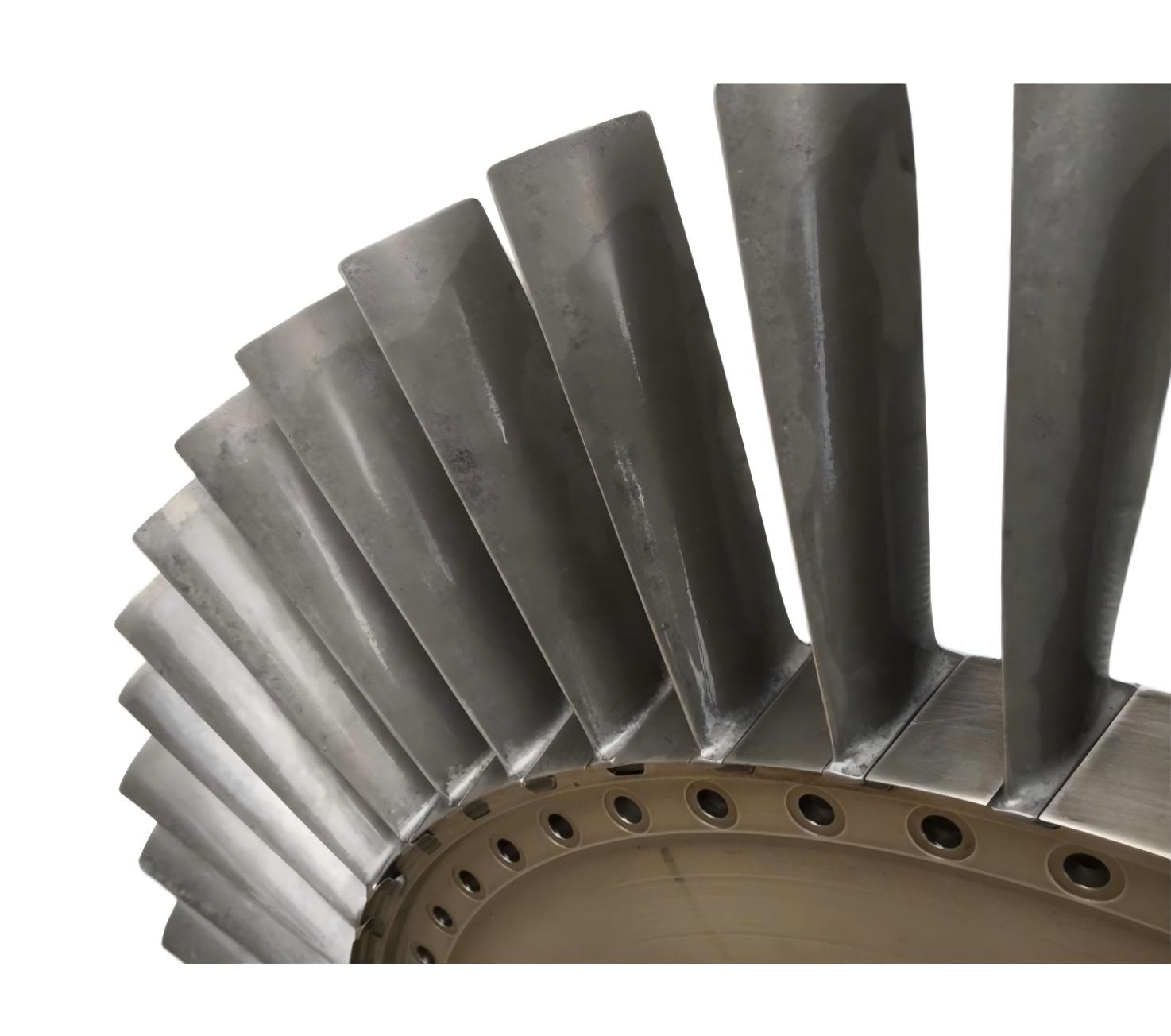
At the same time, the aftermarket is growing in strategic importance. As operators extend the service lives of existing turbine assets rather than investing in full replacements, the demand for high-quality replacement compressor blades — available quickly and priced competitively — has risen sharply. Independent manufacturers with robust reverse engineering capabilities and agile production processes are increasingly well positioned to serve this segment.
Looking AheadThe structural drivers behind compressor blade demand are not cyclical. Electrification, energy security imperatives, and decarbonization commitments are creating a long-term baseline of turbine activity that will sustain component demand well into the next decade. As major industry players consolidate and expand their integrated service offerings, the market for precision-manufactured aftermarket components remains highly attractive for specialist manufacturers who combine deep technical expertise with manufacturing efficiency.
In this environment, the compressor blade — compact in form but critical in function — represents one of the most consequential components in the global energy infrastructure. Getting it right, every time, is not merely a manufacturing goal. It is an operational necessity.
The global gas turbine industry is entering a new phase of expansion.
The global gas turbine industry is entering a new phase of expansion. Fueled by surging energy demand, large-scale fleet modernization programs, and an accelerating shift toward cleaner power generation, the market for gas turbine components is growing at a pace not seen in years. At the center of this momentum sits one of the turbine's most technically demanding parts: the compressor blade.
 EN
EN