EN
EN

Reverse Engineering
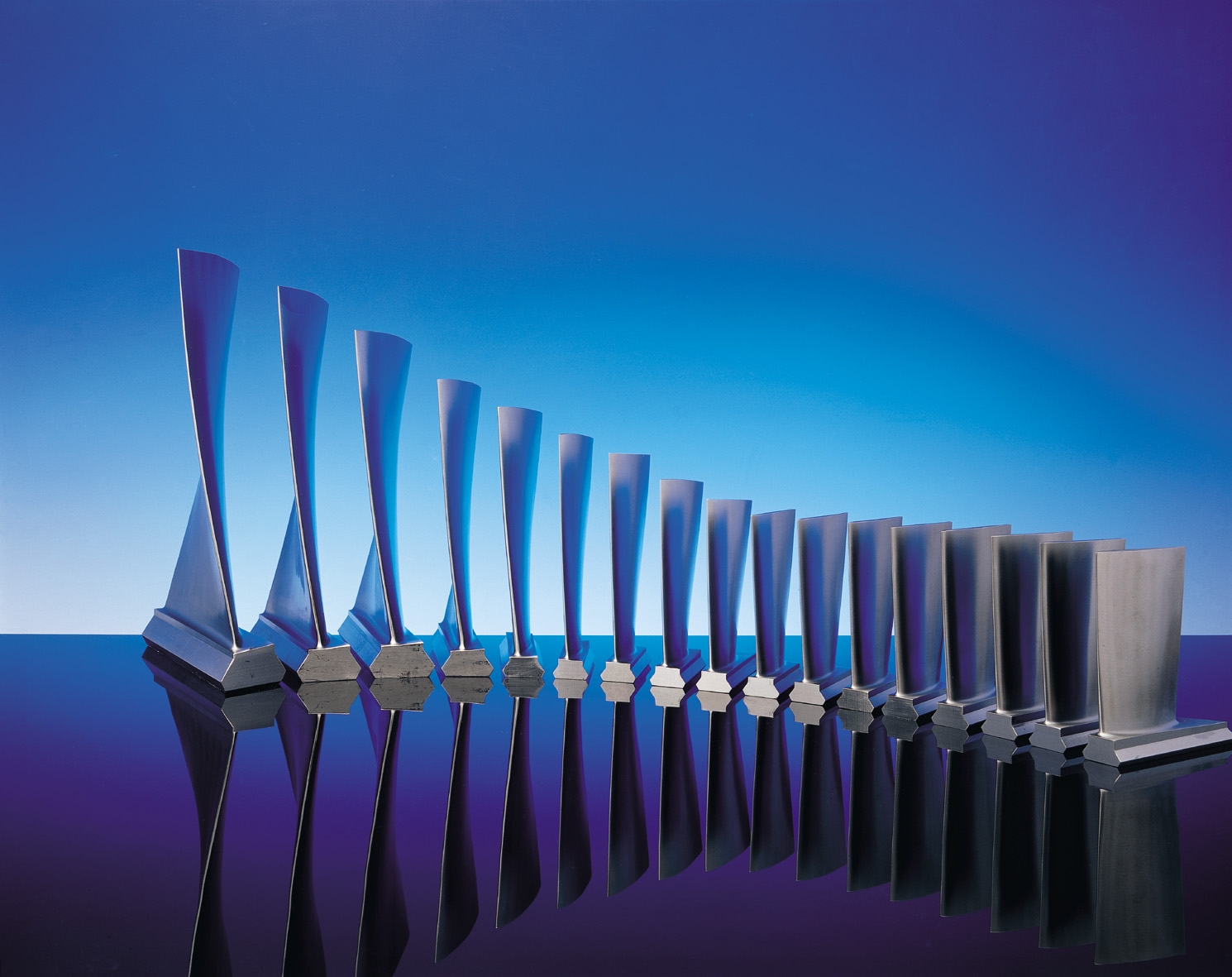
From sample to drawing(if required).

This landmark power generation forging project delivered mission-critical rotating components for thermal power infrastructure across Vietnam and Thailand. Partnering with two Tier-1 EPC contractors and a regional energy utility, our team supplied over 42 high-integrity forged crankshafts and turbine rotor blanks — totaling more than 380 metric tons of precision-engineered alloy steel forgings. The project spanned 14 months, from initial material certification to final dimensional inspection and logistics coordination across three ASEAN ports. Designed for continuous operation under high-temperature, high-stress conditions, each forging met stringent ASTM A668 Class E and ISO 10893-3 Level 3 ultrasonic testing requirements — underscoring our capability in heavy-section industrial applications.
Thermal power plants in Southeast Asia face unique operational demands: frequent load cycling, humid tropical environments accelerating corrosion risk, and limited local capacity for large-diameter, high-purity forgings. The client’s original supplier failed qualification due to inconsistent grain structure in 1.2m-diameter rotor blanks and surface micro-cracking in forged crankshafts after heat treatment. Additionally, tight commissioning schedules demanded on-time delivery within a narrow 90-day window post-order — with zero tolerance for rework or delay. Supply chain resilience was further complicated by customs clearance variability across Vietnam’s Ho Chi Minh City port and Thailand’s Laem Chabang terminal, requiring certified documentation aligned with both countries’ industrial import regulations.
We deployed a vertically integrated forging solution combining proprietary die design, controlled atmosphere heating, and multi-stage isothermal forging — specifically optimized for 25CrMo4 and 34CrNiMo6 grades used in crankshaft and rotor applications. All forgings were produced in our ISO 9001- and EN 10204 3.2-certified facility, with full traceability from ladle analysis to final NDT reports. To mitigate schedule risk, we implemented parallel workflows: simultaneous forging of rough blanks and concurrent development of custom heat treatment cycles validated via thermal simulation software. Each crankshaft underwent dynamic balancing simulation pre-machining, while rotor blanks incorporated axial ultrasonic scanning zones to ensure volumetric integrity beyond standard ASME Section VIII requirements. We also provided bilingual (English–Vietnamese/Thai) technical documentation packages compliant with local regulatory frameworks — accelerating customs clearance and site acceptance.
The project followed a phased execution model: Phase 1 involved joint metallurgical review and forging process validation with the client’s materials engineering team; Phase 2 executed pilot production of two crankshafts and one rotor blank for third-party destructive testing at SGS Bangkok; Phase 3 scaled to full batch production with real-time dimensional monitoring using laser scanning CMMs. Logistics were coordinated through a bonded warehousing hub in Singapore, enabling just-in-time delivery to plant sites in Vinh Phuc (Vietnam) and Rayong (Thailand). Our QA team conducted on-site witness inspections during final machining and non-destructive testing — ensuring alignment with IEC 60034-14 vibration standards for rotating equipment.
All 42 forgings achieved 100% first-pass acceptance — eliminating field rework and saving an estimated USD 1.7M in potential downtime costs. Plant commissioning timelines were met with 12 days to spare, supporting the client’s grid integration target ahead of monsoon season. Post-installation performance data (collected over 18 months) shows <0.08 mm radial runout under full-load operation and no detectable fatigue initiation per periodic phased-array UT scans. Energy output stability improved by 4.2% compared to prior-generation units — directly attributable to enhanced rotational balance and material homogeneity. The success has since led to a framework agreement covering three additional thermal plant expansions across Laos and Indonesia.
‘Their deep understanding of power generation forging requirements — especially in tropical operating environments — set them apart. The combination of metallurgical rigor, documentation readiness, and logistical agility made this one of the most seamless heavy-component procurements we’ve managed in ASEAN.’ — Senior Procurement Manager, Regional Energy Infrastructure Consortium.
2026/05/21
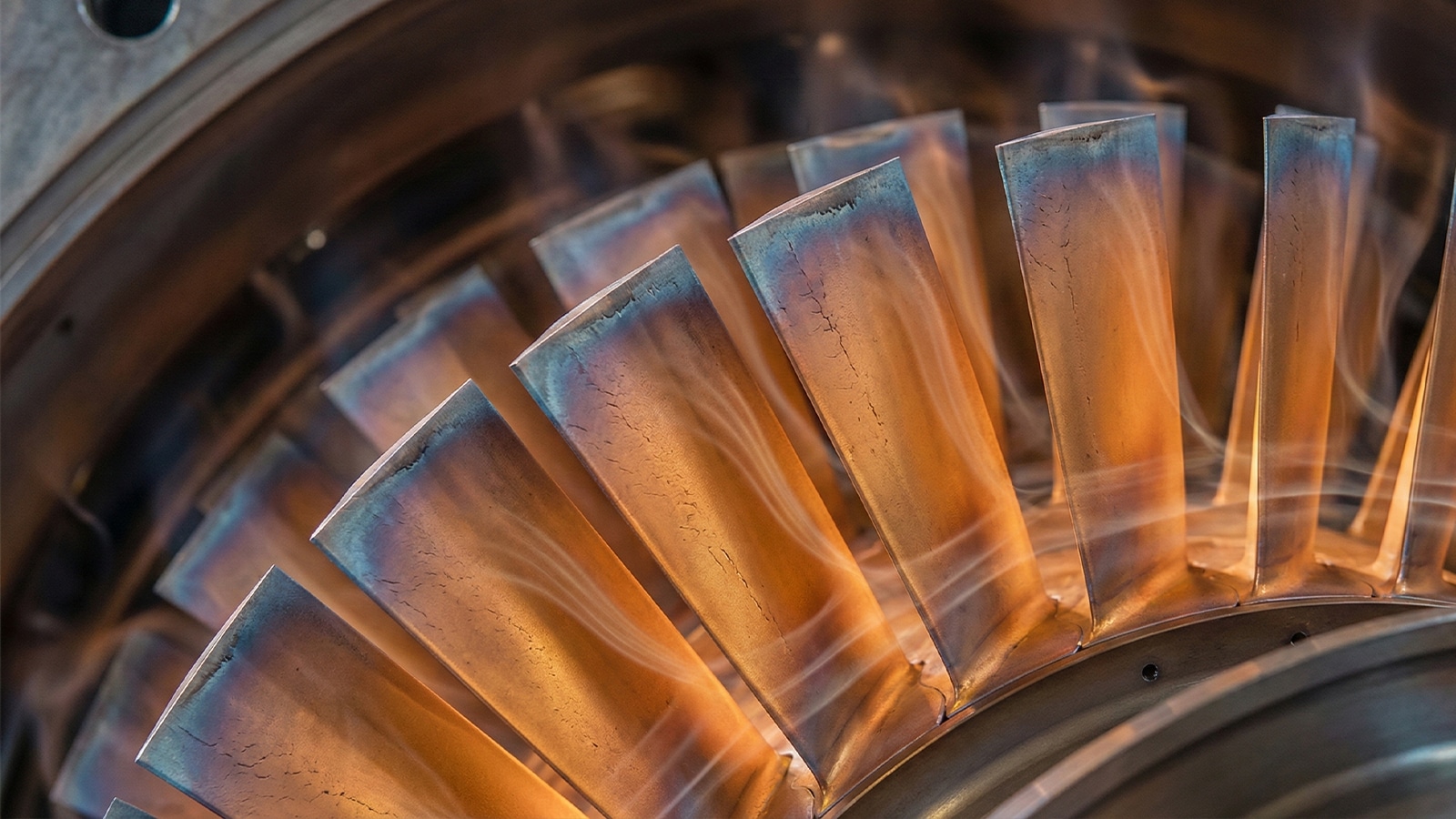
A major power plant in the Middle East experienced unexpected damage to several compressor blades in its gas turbine unit, causing serious operational risks and potential extended downtime. The customer immediately contacted the original equipment ma...

2026/03/10
Precision near-net-shape forgings for landing gear systems supplied to German aircraft OEM.

2026/03/10
Custom forged turbine disk components delivered to a major US aerospace Tier-1 supplier.
From drawings or samples to finished blades, every step is completed in-house for maximum quality and efficiency.

From sample to drawing(if required).

Custom forging dies.

Fast, precise manufacturing.

100% quality inspection.

Upgrade gas turbines with high-performance forged compressor blades for improved efficiency and output.

Enhance reliability in harsh environments with precision-forged turbine and compressor components.

Ensure stable offshore operation with durable forged parts for critical power systems.

Provide fast replacement and reverse-engineered forged components for legacy turbine systems.

Deliver custom forged blade solutions for power generation across diverse operating conditions.

Support customers with drawings, material selection, and forging technical expertise.