 EN
EN

can-inconel-alloy-be-used-to-produce-heavy-duty-compressor-blade, can-inconel-alloy-be-used-to-produce-heavy-duty-compressor-blade, /news
EN
2026/10/15
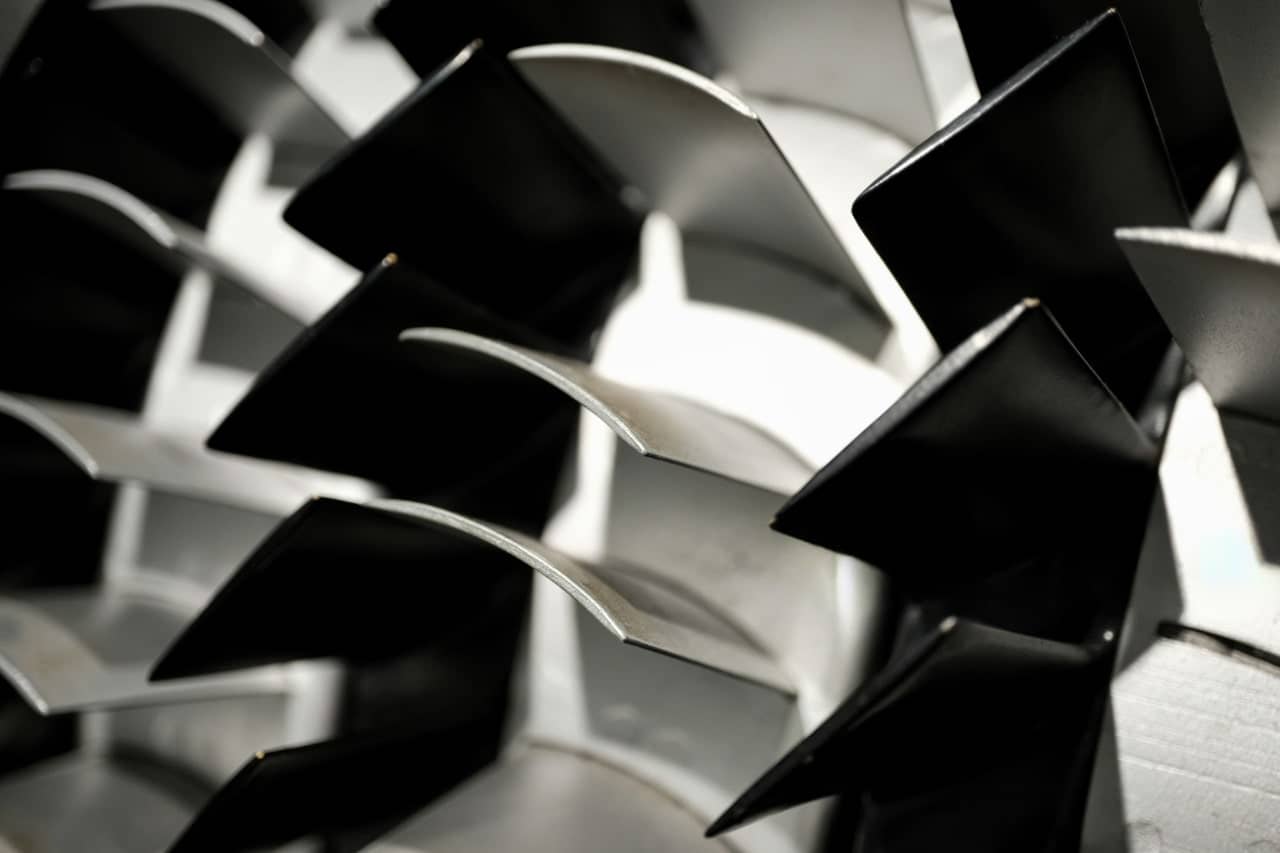
Heavy-duty rotating sections push a standard compressor blade far beyond the limits of ordinary stainless or titanium. Inconel alloy belongs to the nickel superalloy family and is engineered for hot, high-stress turbine environments where strength must survive thousands of operating hours under load.
A heavy-duty blade in a gas turbine or turbocharger sees sustained centrifugal load plus gas temperatures that ordinary alloys cannot tolerate. Inconel alloy delivers the oxidation resistance and creep strength required when metal stays hot and stressed at the same time. Engineers specify it for the rear stages where heat is highest, because titanium loses strength above roughly 600°C while a nickel superalloy keeps working. The decision depends on the duty cycle, not on marketing claims or price alone.
A Middle East power-plant procurement manager faced a fleet of worn gas-turbine components with no original drawings. Used parts were sent for 3D scanning and reverse engineering, then reproduced through precision forging. Multiple batches of Inconel 718 compressor blade replacements shipped with perfect fit and stable running. The refurbishment restored output without a full new-turbine purchase, and the plant avoided long lead times tied to original-equipment supply. Reverse engineering turned scrap into service-ready inventory.
Selecting a lower-grade material invites creep rupture. A standard blade exposed to high-temperature service beyond its design window elongates slowly, then fails without warning. Creep strength is the property that lets a nickel superalloy hold shape under load for years, and missing it shortens service life dramatically. Operators often discover the problem only during a forced outage, when the cost of lost generation dwarfs any saving from cheaper metal.
Combustion byproducts attack unprotected metal. Without adequate oxidation resistance and protection against hot corrosion, blades lose thickness and surface integrity. Failed protective scales let sulfur and salt accelerate damage, forcing premature removal. The wrong alloy turns a maintenance schedule into an emergency, especially in coastal or fuel-flexible plants where contaminants concentrate on hot surfaces during each start-stop cycle.
Inconel 718 is a gamma-prime strengthened nickel superalloy. Fine precipitates block dislocation movement, preserving creep strength at elevated temperature. That microstructure is why the alloy holds load in the hottest compressor blade stages where titanium would soften. Niobium and titanium additions form the strengthening phases, and tight chemistry control keeps the response to heat treatment predictable across production heats.
Mechanical properties come from heat treatment, not just chemistry. Solution treatment dissolves alloying elements uniformly, then precipitation hardening forms the strengthening phases during controlled cooling. Correct cycles turn raw forging stock into a stable, high-temperature component with repeatable performance. Over-aging or under-aging shifts strength and ductility, so furnaces must hold tight time and temperature windows for every load.
Reputable supply follows AMS and ISO material specifications for chemical and mechanical limits. Comparison grades such as Hastelloy, Waspaloy, and other nickel superalloy families exist, but each fills a different temperature or corrosion niche. Heat-treat shops holding NADCAP accreditation follow audited processes that reduce batch variation. Non-destructive testing confirms surface and subsurface soundness before a blade enters service, and traceable certificates close the quality loop.
A heavy-duty compressor blade is only as reliable as its alloy and process control. Inconel 718 remains a proven choice where high-temperature creep strength and hot corrosion resistance decide uptime. Specify certified material, audited heat treatment, and verified inspection for safe operation, and let engineering review drive the final alloy decision.
Question 1: Can Inconel alloy be forged into a heavy-duty compressor blade? Answer: Yes. Inconel alloy is routinely precision forged into heavy-duty compressor blade profiles for gas turbines and turbochargers. The nickel superalloy forges well under controlled conditions, and post-forging heat treatment develops the creep strength needed for hot, high-stress rotating service. Buyers should request certified material and documented process control to protect performance and traceability.
Question 2: Why does a hot compressor blade need creep strength? Answer: The blade in the hot rear stages carries centrifugal load while exposed to high-temperature gas. Creep strength lets the metal resist slow, permanent stretching under that combined stress over thousands of hours. Without it, the part elongates and eventually ruptures. Inconel 718 provides that stability through gamma-prime strengthening and proper precipitation hardening during heat treatment.
Question 3: How should Inconel 718 be heat treated? Answer: Inconel 718 receives solution treatment to dissolve alloying elements, followed by precipitation hardening to form strengthening phases during controlled cooling. Exact cycles depend on section thickness and required properties. NADCAP-accredited heat-treat shops give the most consistent results, and buyers should retain full heat-treatment records for traceability, audit purposes, and long-term service reliability.
Question 4: Which standards govern Inconel compressor blade material? Answer: Material should meet AMS and ISO specifications covering chemistry, tensile strength, and heat-treatment condition. These standards prevent off-grade melts and protect performance. For corrosion-heavy duty, confirm oxidation resistance and hot corrosion limits. Always request mill certificates and, where applicable, NADCAP process documentation before accepting delivery of finished components from any supplier.
Question 5: Do other alloys replace Inconel for heavy duty? Answer: Grades such as Hastelloy, Waspaloy, and other nickel superalloy families serve specific temperature or corrosion niches, but they are not universal substitutes. The right choice depends on service temperature, stress, and environment. A heavy-duty compressor blade needs matched creep strength and oxidation resistance, so alloy selection should follow engineering review rather than cost alone.